
Checking Criminal History in Lamb County
Lamb County has no one local criminal-history portal. Choose the source by the question. Current custody goes to the sheriff and Texas VINELink. Felony case files belong to the District Clerk, while County Court misdemeanors belong to the County Clerk. A city or justice court keeps its own fine-only docket. The arresting police agency retains its report. Texas DPS supplies the statewide public conviction and deferred-adjudication search, but that product is not a substitute for the local file.
Gather a full name, spelling variants, an approximate year, and a cause or report number if one is known. A date of birth can help, subject to what an office accepts. Then work from the newest source event toward the final outcome. This order reduces false name matches and keeps booked charges separate from filed charges.
- Identify whether the need concerns custody, a police report, a court case, or statewide history.
- Contact the Lamb County or city office that created or keeps that record.
- Use re:SearchTX or VINELink as a supplement, while checking their coverage limits.
- Compare any case outcome with the Texas DPS record if a cycle looks incomplete.
- Ask the clerk for a plain or certified copy when the document itself is needed.
Lamb Criminal Records: Room 103 or 212?
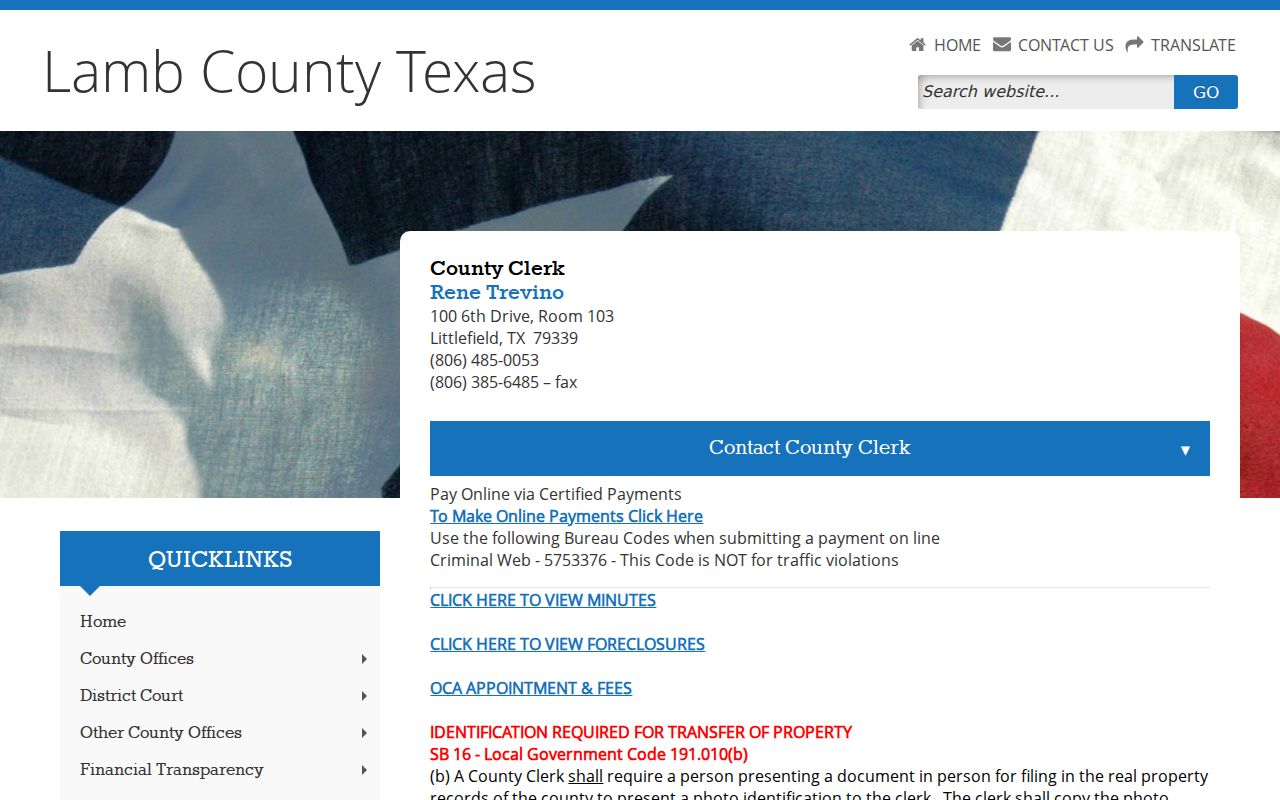
“The courthouse” is not a complete destination in Lamb County. The official county office directory places both criminal clerks at 100 6th Drive in Littlefield, but their files are divided by court level. District Clerk Debbie Long works in Room 212 and handles felony files from the 154th District Court. County Clerk Rene Trevino works in Room 103 and handles the constitutional County Court criminal docket. Municipal and justice courts remain separate custodians.
The official county navigation shows why the room number matters.

Call before a trip because county counter hours, payment methods, archived retrieval, and security rules were not published on the inspected office pages. The general courthouse number is (806) 385-4222. A request for an old felony volume should not be sent to the County Clerk merely because both offices share an address.
District Clerk
Room 212
100 6th Drive, Littlefield, TX 79339
(806) 485-0071
County Clerk
Room 103
100 6th Drive, Littlefield, TX 79339
(806) 485-0053
Texas Official Background Checks
The Texas Department of Public Safety Crime Records Division maintains the central repository. Its public product discloses Texas convictions and deferred adjudications reported to DPS. A member of the public may run a name search, yet DPS warns that names can produce a different person or miss the intended person. The public result is also not a complete national record or a full list of non-conviction events.
For review of your own Texas record, fingerprints provide the strongest identity match. DPS lists a $15 personal record review plus a $10 FAST capture charge. An offline public name check is listed at $10; the online credit portal displays its current live price. The fingerprint route may require travel because no permanent enrollment center inside Lamb County was confirmed.
| Official product | Coverage | Published cost |
|---|---|---|
| DPS public name check | Public Texas convictions and deferred adjudications reported to DPS | $10 offline; verify portal credits |
| DPS personal fingerprint review | Fingerprint-matched Texas record for the subject | $15 plus $10 FAST capture |
| FAST hard cards | Two fingerprint cards | $20 |
The DPS public search entry point explains account and credit access.
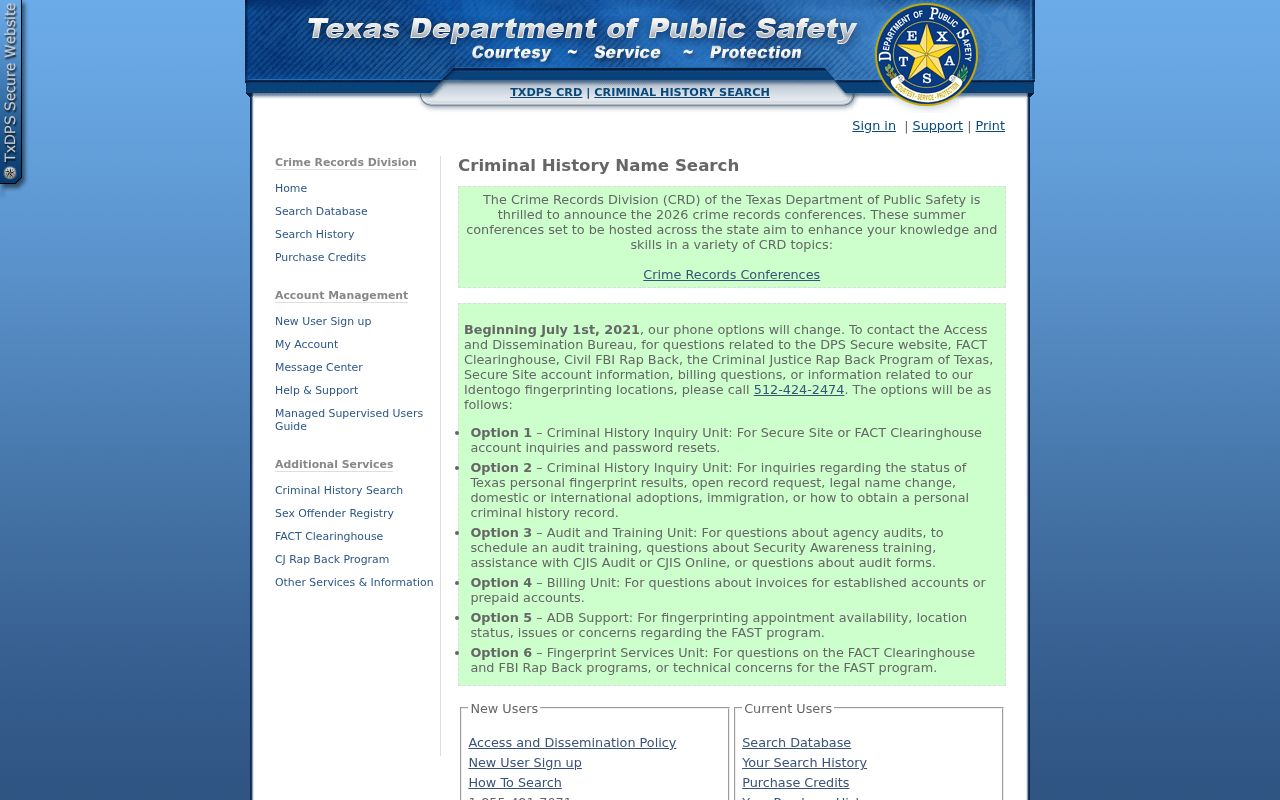
Use the official result as one layer, then obtain the local clerk disposition when a charge outcome needs proof.
Lamb Record Errors and FAST Review
A missing disposition calls for comparison, not guesswork. First obtain your DPS personal fingerprint review to confirm which record is actually tied to your identity. Next, request the certified disposition from the Lamb County District or County Clerk. DPS error-resolution instructions can then distinguish an identity mismatch from a court outcome that was never linked to the arrest cycle.
Appointments for DPS Fingerprint Applicant Services of Texas are made through IdentoGO by IDEMIA or by calling 1-888-467-2080. Search by ZIP code 79339 and use only the location the scheduler offers. The enrollment screen controls the current site and appointment choices.
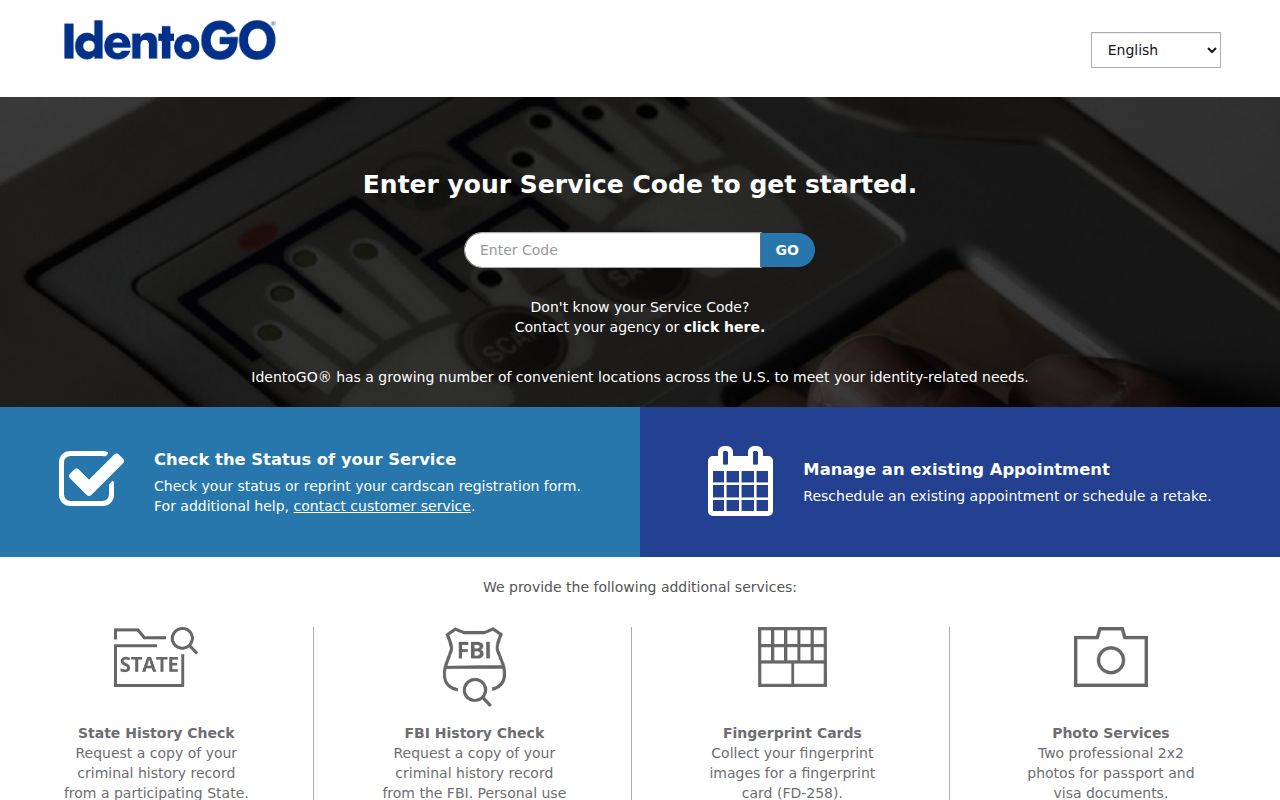
The fingerprint review is for identity accuracy. It does not replace pleadings, orders, or a certified judgment from the Lamb County court file.
Criminal Record Types
One Lamb County arrest can create several independent records. The police or sheriff writes an incident and arrest report. The jail creates a booking file. A magistrate records warnings and bond. A prosecutor may reject a charge, file an information, or seek an indictment. The clerk then maintains the court case, and reportable events move to DPS. Each source can show a different charge because it captures a different stage.
- Arrest and booking: the arresting agency and Lamb County Jail document the event and intake.
- Court case: the proper clerk keeps filings, docket entries, judgment, sentence, and costs.
- DPS history: the state compiles reported fingerprint cycles and outcomes.
- Custody: VINELink covers local status, while TDCJ covers sentenced state custody.
- Registry: local authorities collect registration data that DPS publishes as allowed.
Warrants also remain tied to the issuing court and law enforcement. Lamb County publishes no online active-warrant list, no dedicated warrant line, and no sheriff app. Contact the issuing court about filed public information and how to resolve your own matter.
For an unpublished sheriff record, begin at 1200 East Waylon or call (806) 385-7900. The county’s “Contact Sheriff” page is an inquiry form, not an advertised TPIA portal. A formal writing should name the record, incident range, location, agency, and report number if known. Ask for the specific product, such as an incident report, booking sheet, jail log, CAD record, or body-camera recording. The sheriff publishes no local fee, identification rule, or completion time. Retain a copy and confirm the accepted delivery method.
VINELink Is Not a Lamb Rap Sheet
The sheriff’s official page routes custody inquiries to Texas VINELink. That system can show custody status and accept notification registration. It does not supply the incident narrative, a complete booking sheet, the court disposition, or a statewide rap sheet. For a very recent arrest, call the Lamb County Jail because vendor data may lag intake.
An April 2024 county agreement identifies Sterling Commissary and Crown Correctional Telephone as jail service vendors, but it does not publish visitation identification, mail format, or a deposit portal. A February 2025 Texas Commission on Jail Standards notice cited deficiencies in the jail’s approved medical, mental, and dental services plan. That is a dated finding, not proof of present noncompliance, so current questions belong with the jail and the Commission.
After a person transfers to state prison, use the TDCJ Online Inmate Search. Its result may include TDCJ and SID numbers, current location, offense, sentence, parole eligibility, and a projected release date. Those fields still do not replace the Lamb County judgment. Federal custody belongs to the Bureau of Prisons, another distinct layer.
- Booking
- The jail intake event, not a finding of guilt.
- Disposition
- The court outcome, such as dismissal, conviction, acquittal, or deferred adjudication.
- SID
- A state identification number used to link reported Texas criminal-history cycles.
- Cause number
- The local court’s identifier for a filed case.
Inside a Lamb County Criminal Record
A Texas rap sheet is person-centered. It may contain names and aliases, birth data, sex and race, SID and FBI numbers, fingerprint transaction identifiers, arrest dates, agencies, offense codes, prosecutor actions, courts, outcomes, sentences, and custody or supervision. Public products suppress information that state law does not authorize for public release.
A Lamb County court file is case-centered, while the jail file is event-centered. Read the label before interpreting the field.
| Name and identifiers | Names, aliases, birth information, and available state or federal identifiers. |
|---|---|
| Arrest and booking data | Agency, date, booked charge, bond, holds, and release information. |
| Charges and statutes | Alleged offense descriptions that may change after prosecutor review. |
| Disposition | Pending, dismissal, deferred adjudication, acquittal, or conviction. |
| Sentence | Jail or prison term, fine, costs, restitution, and supervision when ordered. |
| Custody or supervision | Local jail, TDCJ, probation, parole, or release status from the proper source. |
re:SearchTX and Lamb Court Files
re:SearchTX is the statewide e-filing-record search. It can be useful for a person name, cause number, court, filing date, case type, or status search where participating records are indexed. Registration and role-based access apply, and document coverage can vary. An empty result does not prove the Lamb County clerk has no file.
The search interface illustrates the statewide layer.
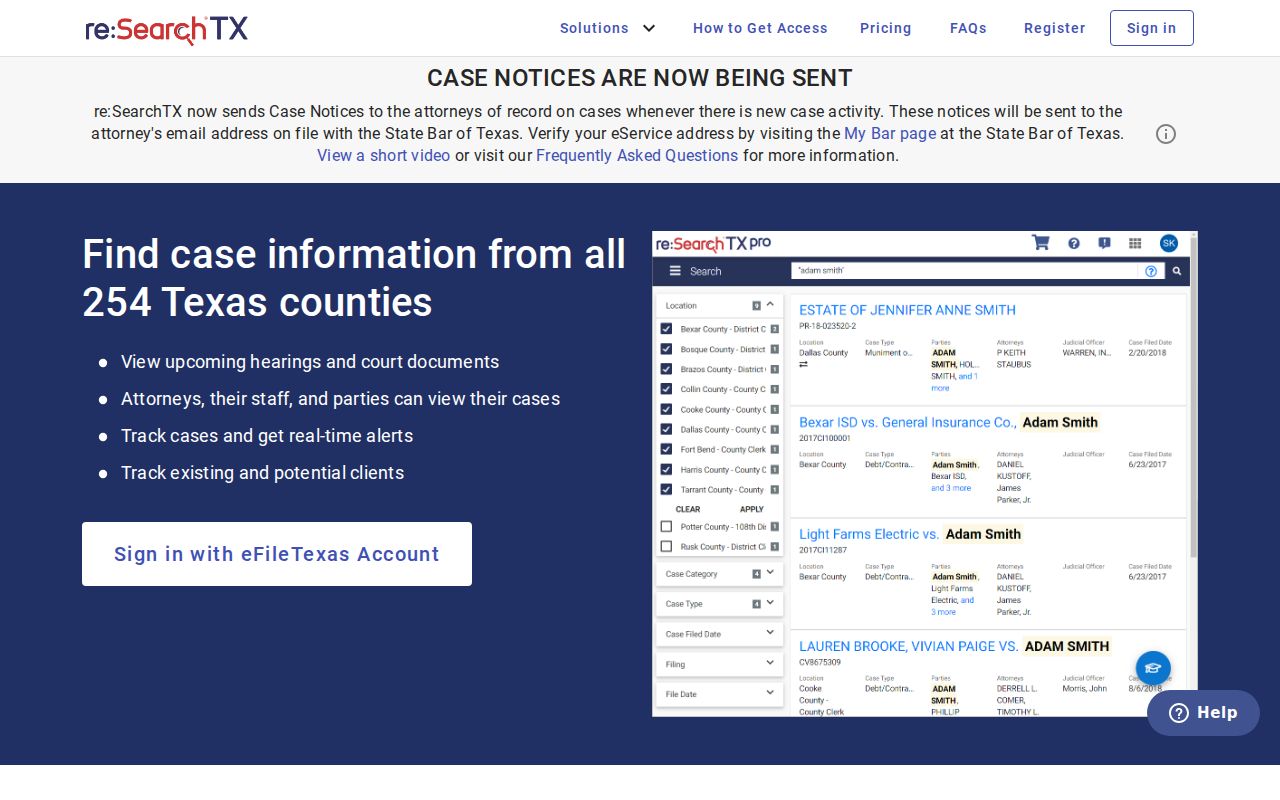
For a felony, call the District Clerk in Room 212. For a County Court misdemeanor, call the County Clerk in Room 103. Ask for the register of actions first, identify the filings needed, and confirm copy or certification costs before sending payment.
| Search field | Use | Limit |
|---|---|---|
| Person name | Find a party when no cause number is known | Common names need more verification |
| Case number | Best local discriminator | Must match the court’s format |
| County or court | Narrow to Lamb County | Only participating indexed data appears |
| Filing range | Reduce a long name-result list | Dates may differ from arrest date |
Public Access Laws in Texas
The Texas Public Information Act lets people request existing public records from the government body that holds them. It does not make an office answer questions or create a new report. Court records also follow judicial access rules, so a court filing is not always handled like an executive-agency request. Confidential identifiers, juvenile information, protected victims, medical data, and active-investigation material may be withheld or redacted.
Key statutes:
Government Code Chapter 552 governs requests, prompt production, costs, and Attorney General review.
Government Code Chapter 411 controls criminal-history dissemination and public DPS conviction access.
Code of Criminal Procedure Chapter 66 directs agencies and courts to report history events.
Code of Criminal Procedure Chapter 55A governs qualifying expunction petitions.
Code of Criminal Procedure Chapter 62 governs sex-offender registration and public notice.
The sheriff publishes no dedicated request form, fee schedule, or advertised TPIA portal. Label a tracked writing “Public Information Request,” describe the record rather than asking a question, retain a copy, and confirm how the sheriff accepts formal submissions.
The 154th District Felony Trail
The District Clerk’s official page is the local route for 154th District Court felony files. A case can move from arrest and magistration through prosecutor review, grand jury, arraignment, pretrial work, plea or trial, judgment, sentence, appeal, and final reporting to DPS. A true bill is an indictment. A no bill means the grand jury declined to indict the charge presented.
The District Clerk page shows the Room 212 counter and contact route.
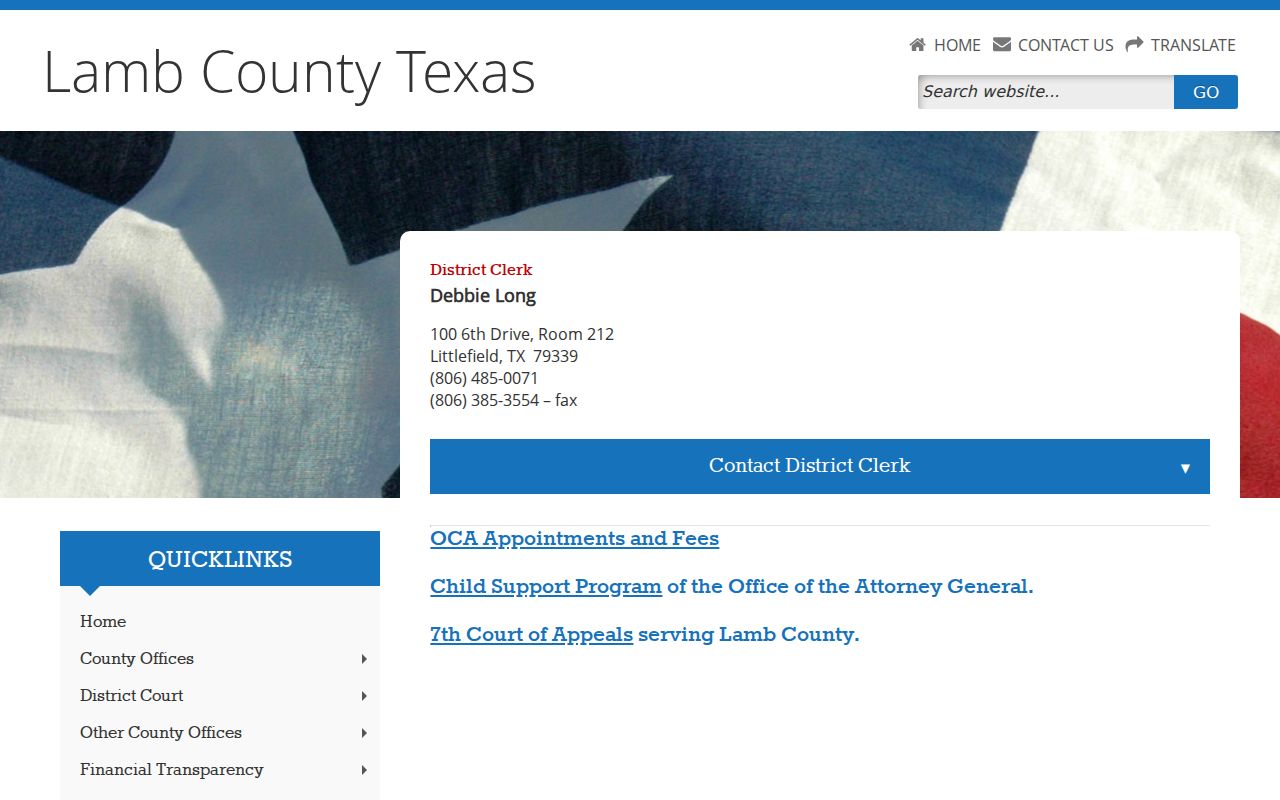
The combined County and District Attorney works in Room 210, Adult Probation is in Room 209, and the district judge is in Room 211. That second-floor sequence shows how one felony matter can produce separate prosecution, supervision, court, and clerk records without becoming one public database.
Sealed, Expunged, and Restricted Records
Texas uses two different remedies. Expunction under Chapter 55A can require return or destruction of qualifying records. It is not automatic after every dismissal, and multiple charges from one arrest can affect eligibility. An order of nondisclosure restricts ordinary public dissemination for a qualifying record but does not destroy it. Listed agencies may retain access.
Confirm current filing steps, fees, service copies, and local forms with the District Clerk. Lamb County publishes no expunction packet or set filing fee online. After an order, verify the clerk docket and use a DPS personal fingerprint review if the state record still appears wrong. Juvenile data, victim identifiers, medical details, and records sealed by law may also be absent from public views for reasons unrelated to expunction.
Lamb Records Moved with the County Seat
Lamb County was organized in 1908 with Olton as the county seat. The seat moved to Littlefield in 1946. That history explains why older material may refer to Olton while current District and County Clerk counters are in Littlefield. The official local history ties the county to ranches, rail settlement, irrigated crops, and a wide rural landscape.
The County Clerk’s page identifies the present Room 103 misdemeanor-record counter.
Historic context does not change the custody rule. A rural sheriff report remains with the sheriff, a Littlefield incident report remains with city police, and a fine-only city case remains at its municipal court. Ask for the precise document instead of requesting a general history that the local office does not compile.
Jurisdiction also changes the court search. Capital, first-, second-, third-, and state-jail felonies are handled in the 154th District Court. Class A and B misdemeanors route through the County Court. Fine-only Class C matters are kept by the issuing municipal or justice court. A federal prosecution is outside all of those local dockets because Lamb County lies in the Northern District of Texas. PACER is the official federal case system, while the Bureau of Prisons locator covers sentenced federal custody. A blank Lamb County clerk response should therefore prompt a check of the alleged offense level and issuing court, not an assumption that no record exists.
Lamb County Registry Searches
The Texas Public Sex Offender Registry supports name, county, address, map, and list searches. City residents generally register with city police, while residents outside municipalities generally register with the sheriff. A county-wide search should therefore use the DPS layer instead of assuming every registration begins at the jail.
The official interface provides the statewide search controls.
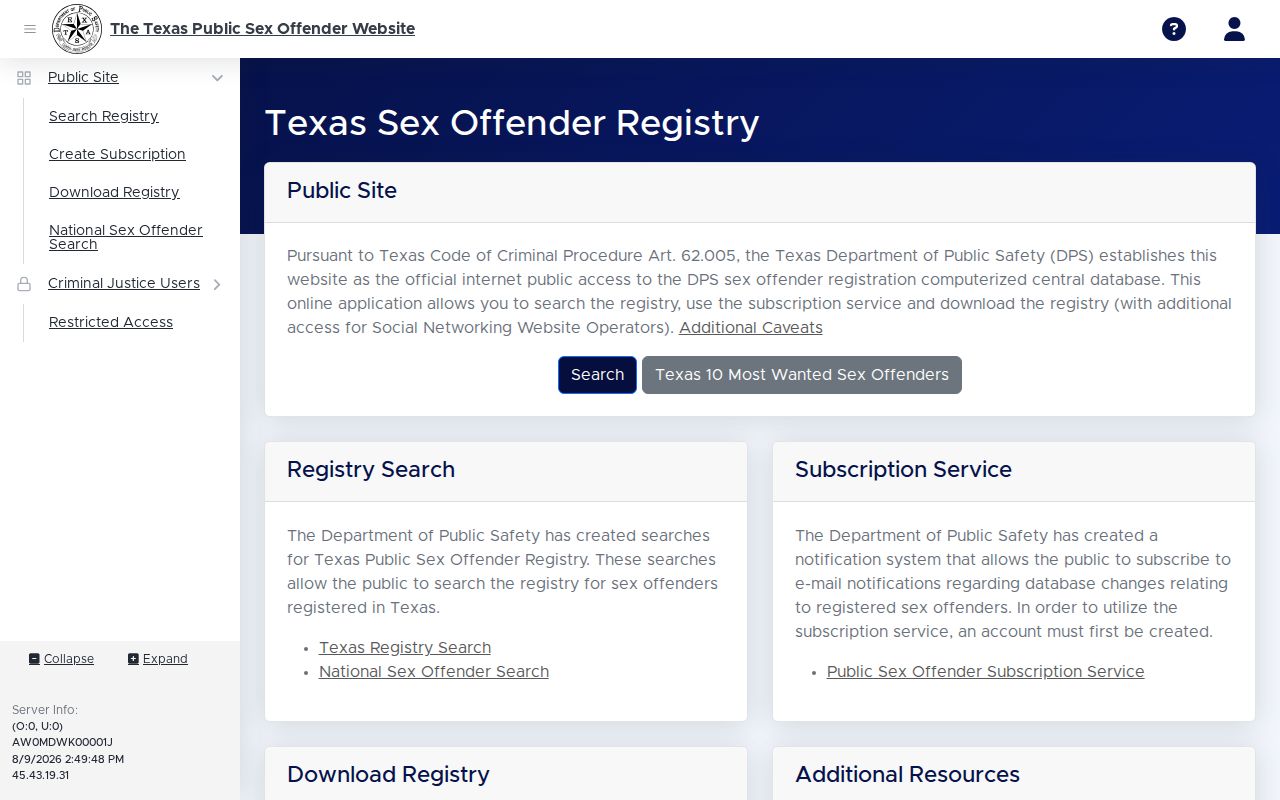
Profiles omit victim identity and other protected fields. The dedicated Lamb County sex offender search process covers registry fields, risk levels, registration duration, and the statutory misuse warning.
Lamb County Criminal Records by City
The 2024 Census place estimates rank Littlefield, Olton, and Sudan as the county’s three largest incorporated cities. Each has a different access pattern. Littlefield offers a detailed open-records packet and a municipal court counter. Olton publishes a direct police records clerk and a four-day municipal court schedule. Sudan has an officer-conduct form but no published records portal or municipal case search.
Littlefield Criminal Records
Population 5,740 · City police form and non-record municipal court.
Olton Criminal Records
Population 1,933 · Police records clerk and municipal court contacts.
Sudan Criminal Records
Population 937 · Direct confirmation is needed because no case portal is published.
Municipal records stop at the city boundary. Continued custody moves to the Lamb County Jail, Class A and B filings go to the County Clerk, and felonies go to the District Clerk. DPS supplies the limited statewide public conviction layer.